

How EV Tax Credits Work for Ford Buyers
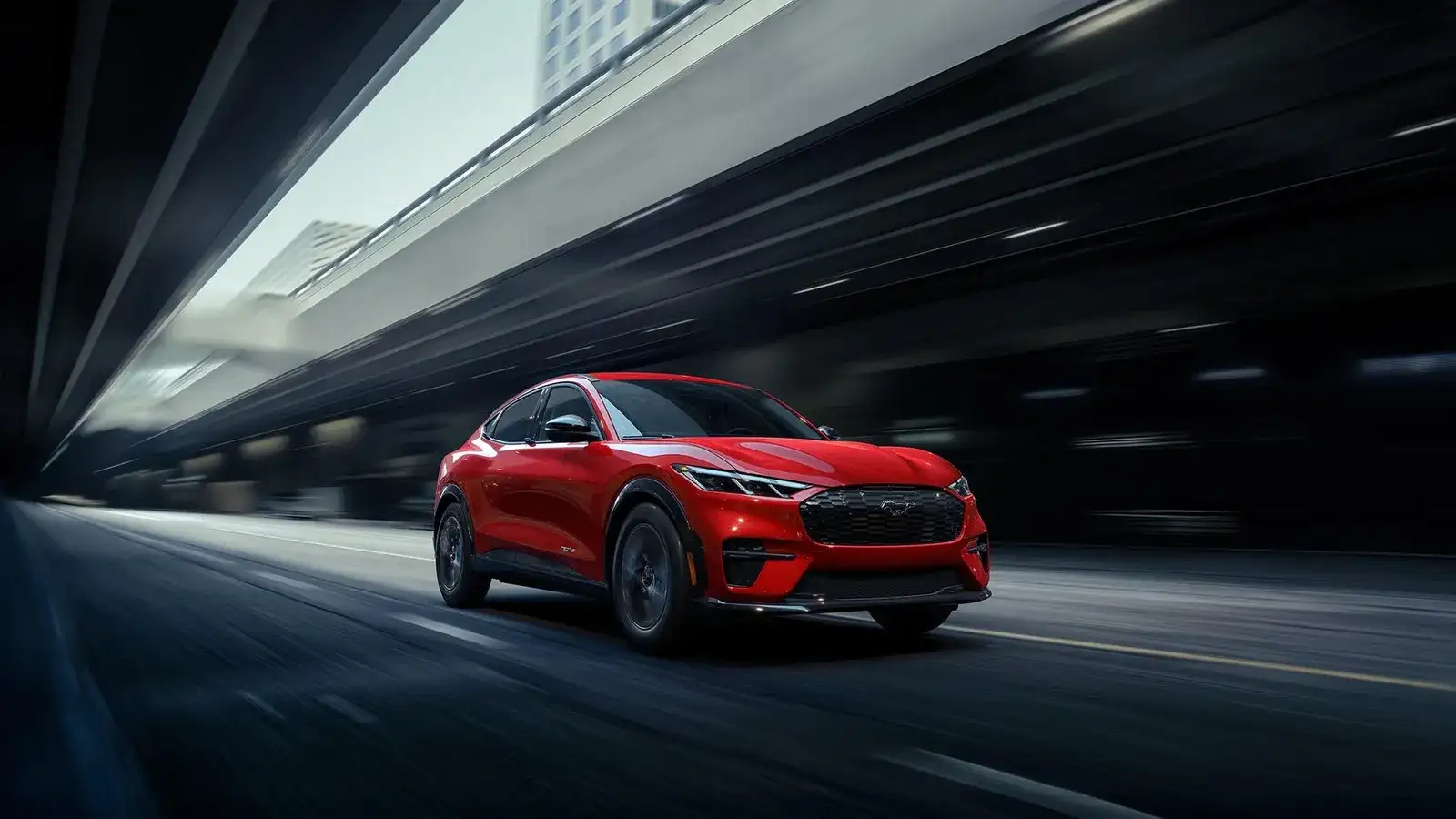
How EV tax credits work has changed significantly for shoppers considering a Mustang Mach-E, a pre-owned F-150 Lightning, or another electric vehicle. The most important update is simple: the federal clean vehicle tax credits that many buyers knew about ended for vehicles acquired after September 30, 2025. That does not mean an EV cannot still be a smart fit for your household or business. It means shoppers should separate expired federal programs from the incentives, utility programs, lease offers, and operating savings that may be available now.
For Coachella Valley drivers, that distinction matters. A commuter traveling between Palm Springs and Palm Desert may prioritize charging convenience and lower energy costs. A contractor looking at an electric truck may focus on capability, jobsite charging, and fleet operating needs. The right answer starts with the vehicle and your driving habits, not a headline about a tax credit.
How EV Tax Credits Work After September 2025
A tax credit reduces the federal income tax you owe. It is not the same as a rebate, which is money paid directly to you, and it is not the same as a dealership discount. Under the former federal Clean Vehicle Credit, eligible new EV buyers could receive a credit of up to $7,500 if both the vehicle and buyer met the rules.
Those rules were detailed. Eligibility could depend on final vehicle assembly, battery component and mineral sourcing, vehicle classification, suggested retail price limits, household income limits, and the date the vehicle was placed in service. A vehicle could be electric and still fail one or more requirements.
For purchases completed after September 30, 2025, that federal new-vehicle credit is no longer available. The federal previously owned clean vehicle credit and the commercial clean vehicle credit also ended for vehicles acquired after that date. If you see an older article, calculator, or social media post discussing these credits as if they are still active, check the publication date before relying on it.
The practical takeaway is that a current EV purchase should not be budgeted around receiving a federal EV tax credit. Ask about incentives that are active at the time you are shopping, and review any program terms before making a final decision.
What the Former Federal Credit Required
Understanding the old rules is still useful because it explains why EV-credit answers were rarely one-size-fits-all. It also helps you recognize outdated information.
A new EV had to meet federal vehicle requirements, while the buyer had to meet income requirements. Some qualifying vehicles were eligible for the full credit, while others qualified for only part of it because of battery sourcing rules. Beginning in 2024, qualifying buyers could generally transfer the credit to an eligible dealer at the point of sale, reducing the amount due upfront rather than waiting to claim it on a tax return.
That point-of-sale process did not turn a tax credit into a guaranteed discount. The buyer still needed to qualify, and the transaction had to be reported properly. If a buyer turned out to be ineligible, repayment could be required.
The used-EV credit had its own restrictions. It applied only to qualifying previously owned vehicles, required the vehicle to be purchased through a dealer, and included limits related to the vehicle, purchase history, and buyer income. Like the new-EV credit, it is not available for qualifying purchases made after the September 2025 cutoff.
Federal Credits, California Programs, and Local Offers Are Different
California shoppers may encounter several types of EV savings, and they should not assume they all work alike. State, regional, utility, manufacturer, and dealership programs can each have different application steps, deadlines, income guidelines, vehicle requirements, and funding limits.
Some programs may help with charging equipment, while others may be designed for income-qualified households, fleets, or specific communities. A utility program could require enrollment before equipment is installed. A lease offer may reflect incentives differently than a purchase transaction. Certain programs may open, close, or change without much notice once funding is allocated.
This is why a current review matters more than a number from an old search result. Before choosing between buying, financing, or leasing, ask which incentives are available now, whether you must apply before taking delivery, and whether the incentive applies to the vehicle, charger, or electricity plan.
For shoppers across Cathedral City, Rancho Mirage, Desert Hot Springs, Thousand Palms, and nearby communities, home charging is often the biggest day-to-day factor. The potential convenience of waking up with a charged vehicle can be more valuable than a small incentive, especially for drivers with predictable routines.
Tax Credits Do Not Always Equal Cash Back
The phrase “tax credit” can create a misleading expectation. A credit is tied to tax rules, eligibility, and documentation. It should never be treated as cash that every shopper automatically receives.
A rebate is generally more direct, but it can still come with conditions. It may require an application, proof of residency, income verification, vehicle registration, or a limited funding window. A financing incentive is different again: it may affect the terms of a loan but does not change your tax return.
Leasing deserves its own conversation. In the past, some federal commercial-credit rules could influence lease programs because the leasing company owned the vehicle. Those federal rules have changed, but lease offers can still have their own current incentives and qualifications. If leasing appeals to you, compare the total terms, mileage allowance, wear provisions, charging needs, and end-of-lease options instead of focusing on a single monthly-payment figure.
Choosing an EV Without Relying on a Tax Credit
An EV should make sense even when no tax credit is available. Start with your actual driving pattern. A Mustang Mach-E can be a natural choice for drivers who want an all-electric SUV for commuting, errands, and weekend travel. A pre-owned F-150 Lightning may suit buyers who want truck capability with electric driving, available home backup-power features, and the ability to charge where they park.
Then consider charging. Level 1 charging uses a standard household outlet and can work for low-mileage drivers, although it is slower. Level 2 charging is typically the better long-term home solution for many EV owners because it replenishes driving range more quickly. Installation costs, electrical-panel capacity, parking layout, and HOA rules can all affect the decision.
Public charging is useful for longer trips and for drivers who cannot charge at home, but it should be evaluated realistically. Look at the charging locations you would actually use between home, work, family destinations, and regular travel routes. Desert heat also makes it wise to consider where the vehicle will be parked and charged during the hottest part of the day.
Finally, compare the full ownership picture. EVs can reduce routine maintenance needs because they do not require oil changes and have fewer engine-related service items. They still need tires, brakes, cabin air filters, coolant-related inspections where applicable, and regular professional care. Insurance, registration, electricity rates, and charging-equipment costs also belong in the comparison.
Questions to Ask Before You Buy or Lease
Before moving forward, get clear answers to the questions that affect your specific situation: Is there any active incentive available today? Does it require an application before delivery? Is it a tax credit, rebate, utility benefit, lease incentive, or financing offer? Can you charge reliably at home or work? And does the vehicle’s range, cargo room, towing capability, or seating fit your life?
Commercial buyers should also look beyond the vehicle itself. Fleet charging schedules, driver routes, payload needs, upfitting requirements, and downtime planning can matter more than any short-term incentive. An electric truck can be a strong business tool when its duty cycle fits, but it is not automatically the right replacement for every gas or diesel work truck.
Tax rules and incentive programs change, so consider a qualified tax professional your best source for advice about your own tax situation. For vehicle questions, the team at Palm Springs Motors can help you compare current Ford EV options, charging considerations, and available offers based on how you drive. When you are ready, browse current inventory, discuss financing or lease options, and choose the vehicle that will serve your family or business well long after the paperwork is complete.
Frequently Asked Questions
Are there California incentives for buying an EV in the Coachella Valley?
Some state and regional programs still exist, but many have changed or closed, and most have income or vehicle rules. California’s Clean Cars 4 All, for example, is offered only through certain air districts. Check the California Air Resources Board and your utility, such as IID or SCE, for current programs before you buy, and confirm whether you must apply before taking delivery.
Does desert heat reduce the range of a Mustang Mach-E?
Very hot weather can reduce range somewhat because the vehicle uses energy to cool the cabin and the battery. Parking in shade or a garage, precooling the cabin while plugged in, and charging at home overnight all help. Summer road trips on I-10 may need a little more planning for charging stops than spring or winter drives.
Can I still get a federal tax credit for a home EV charger?
The federal Alternative Fuel Vehicle Refueling Property Credit for home chargers was also cut short by the same law that ended the vehicle credits, so it is not available for equipment placed in service after its end date. Check IRS guidance or a tax professional for your situation, and look at local utility programs that may help with charger costs.
Is a hybrid Ford a good alternative if EV credits are gone?
For many Coachella Valley drivers, yes. A hybrid such as the Maverick hybrid or F-150 PowerBoost uses gasoline but can improve efficiency in stop and go driving on Highway 111, with no need for home charging. Compare it with a Mustang Mach-E based on your commute, charging access, and towing needs. Palm Springs Motors can show you both.
0 comment(s) so far on How EV Tax Credits Work for Ford Buyers