

Mustang Mach-E Range in Heat: Desert Reality
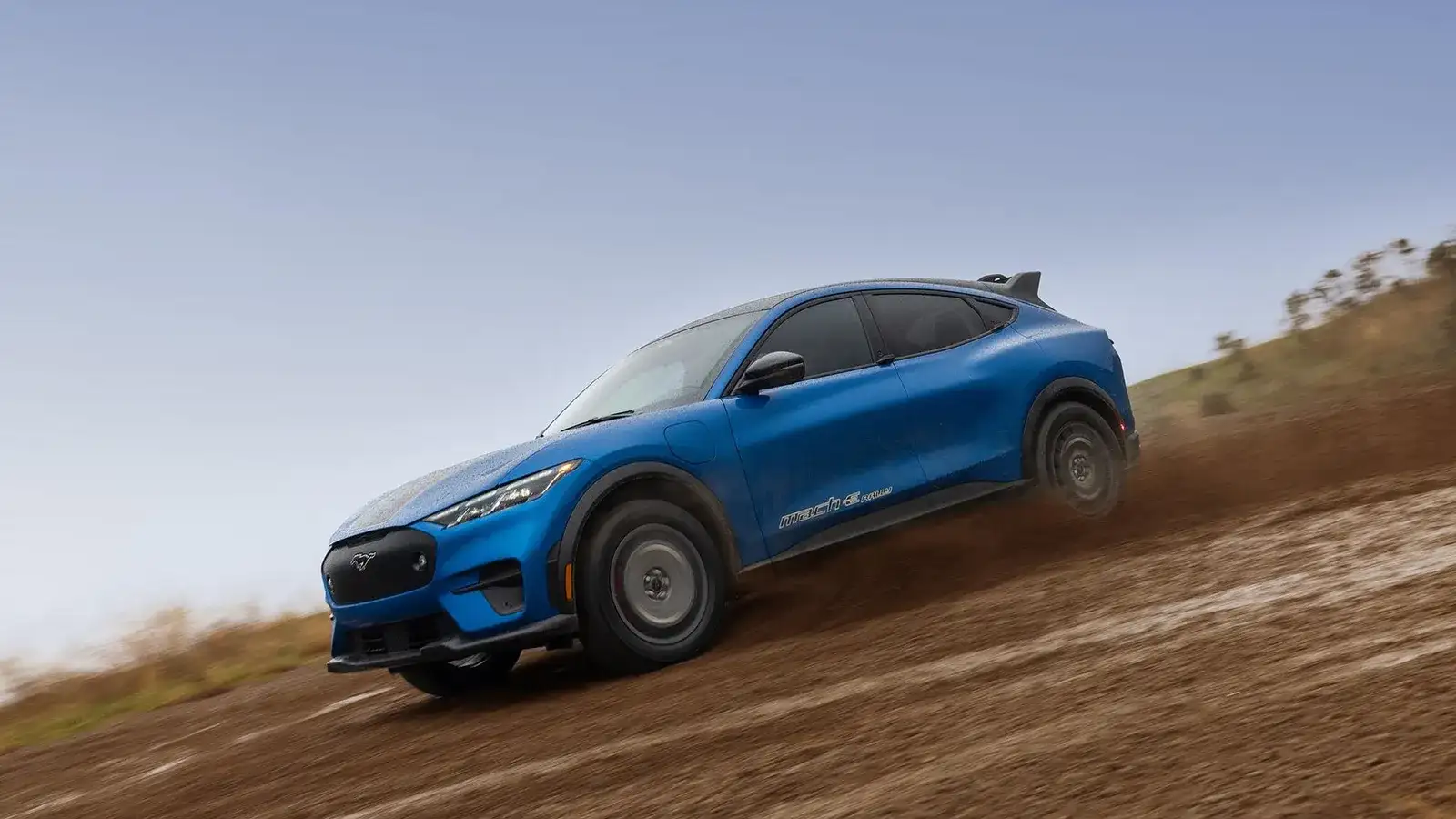
A 115-degree afternoon in the Coachella Valley is not a laboratory test. The cabin is hot, the pavement radiates heat, and the air conditioning starts working before you leave the parking lot. That is why Mustang Mach-E range in heat is a practical question for local EV shoppers, not a theoretical one. The good news: a Mach-E can be a capable desert daily driver when you understand what affects its displayed range and plan around the conditions.
Does Heat Reduce Mustang Mach-E Range?
Yes, extreme heat can reduce Mustang Mach-E range, but the effect is usually less dramatic than the range loss many EVs experience in freezing weather. High temperatures increase demand on the air conditioning system and may require the vehicle to manage battery temperature more actively. Both use energy that would otherwise go toward propulsion.
There is no single percentage that applies to every trip. A morning drive from Palm Desert to Cathedral City at moderate speeds can look very different from an afternoon freeway run to Beaumont with four passengers, luggage, and the A/C set low. Vehicle configuration, battery state of charge, speed, elevation, wind, traffic, and driving habits all matter.
The most useful number is the estimate in the vehicle itself. The Mach-E continually adjusts its projected range based on recent driving and conditions. Treat it as a live planning tool rather than a promise based on a single EPA estimate.
What Uses the Most Energy in Desert Heat?
Air conditioning is the most obvious factor. Cooling a cabin that has been sitting in direct sun takes more energy than maintaining a comfortable temperature after the vehicle is already cooled. Dark interior surfaces, a hot windshield, and a vehicle parked without shade all add to that initial load.
At highway speeds, however, speed is often the larger factor. Air resistance rises quickly as speed increases, so sustained fast driving can have a bigger impact on usable range than the A/C alone. That does not mean Coachella Valley drivers should sit in an uncomfortable cabin to save a few miles. It means comfort and efficient driving can work together.
Battery temperature management also plays a role. Like any modern EV, the Mustang Mach-E monitors and protects its high-voltage battery. In exceptionally hot conditions, it may use energy to keep battery temperatures within an appropriate operating range. This is normal vehicle operation, especially after fast charging or extended freeway travel in summer heat.
Other details can add up: low tire pressure, heavy cargo, roof-mounted accessories, aggressive acceleration, and strong headwinds all change energy consumption. Even route elevation matters. A trip uphill toward Yucca Valley will use more energy than a similar-distance drive on flatter roads, though some energy can be recovered on the descent through regenerative braking.
How to Get Better Mustang Mach-E Range in Heat
The easiest habit is preconditioning. While the Mach-E is plugged in, set the cabin to cool before departure. This lets the vehicle use power from the charger to bring down cabin temperature rather than relying only on the battery once you are on the road. It also makes the first few miles much more comfortable.
Parking in a garage, under a covered structure, or in available shade helps, too. A windshield sunshade can reduce the heat trapped in the cabin and lessen the initial cooling load. These small choices are especially useful for commuters who leave a vehicle at work during the hottest part of the day.
Keep tire pressures at the specification shown on the driver’s door-jamb label and check them regularly. Heat can change tire pressure, while underinflated tires create more rolling resistance. Proper tires, correct pressure, and routine alignment checks support predictable handling as well as efficiency.
On longer drives, use the Mach-E’s navigation and charging information before leaving. Plan charging stops with a buffer instead of arriving at a charger near empty. A comfortable margin matters more in summer, when a charging location may be busy or when you want time to cool the cabin before the next leg of your trip.
Comfortable Climate Settings Are Still Reasonable
You do not need to turn off the A/C to own an EV in Palm Springs or Rancho Mirage. Use a sensible temperature setting, select automatic climate control when it suits your preferences, and consider features such as seat cooling if equipped. Cooling the people in the vehicle efficiently can sometimes reduce the need to blast cold air throughout the entire cabin.
The key is consistency. Setting the climate system to a reasonable temperature is usually more efficient and more comfortable than repeatedly turning it up and down after the cabin becomes too hot.
Charging a Mustang Mach-E During Hot Weather
Heat changes how drivers should think about charging, particularly on road trips. DC fast charging generates heat, and the battery may need to manage that heat as charging continues. Charging performance can vary with battery temperature, charger capability, battery state of charge, and how recently the vehicle has been driven.
For everyday use, home charging is often the simplest approach. Starting the day with the charge level that fits your driving needs allows you to avoid unnecessary stops during the hottest hours. Follow the vehicle’s charging guidance and set a routine that works for your commute, errands, and expected weekend travel.
For a longer trip, do not assume every charging stop will take the same amount of time. It is generally more efficient to plan several practical stops than to rely on one last-minute stop at a very low battery level. Navigation can help identify charging locations and estimate arrival battery charge, but conditions can change. Check the route before departure and adapt if traffic, temperature, or detours increase energy use.
If you notice a warning message, unusually inconsistent charging behavior, or a concern with the charging port or cable, schedule an inspection with factory-trained service technicians. EV maintenance is still maintenance, and prompt attention helps protect reliability over the long term.
Desert Driving Habits That Make a Difference
A Mach-E is especially well suited to predictable daily driving. If your route includes trips between Thousand Palms, Palm Desert, Cathedral City, and Desert Hot Springs, charging at home or work can make range planning feel routine. Most drivers do not begin every day with a maximum battery charge, because most days do not require it.
Longer trips require more thought, not more worry. Before heading toward Banning, Beaumont, or beyond, review your route, expected weather, elevation changes, and charging options. Leave with enough charge to reach your intended stop plus a reasonable reserve. If the in-vehicle range estimate drops faster than expected, reducing freeway speed modestly and avoiding abrupt acceleration can make a meaningful difference.
Regenerative braking can help in stop-and-go traffic and on downhill sections, but it does not erase energy used climbing or driving at higher speeds. Think of it as a helpful recovery system, not a replacement for a charging plan.
Choosing the Right Mach-E for Your Driving Needs
Range varies by Mustang Mach-E model year, battery option, drivetrain, wheel size, and trim. Rear-wheel-drive and all-wheel-drive versions can have different EPA estimates, and larger wheels may involve a range trade-off. The right configuration depends on how you actually drive.
A shopper with a short daily commute and reliable home charging may prioritize features, passenger comfort, or all-wheel-drive confidence. Someone who regularly travels outside the valley may place greater value on the longest available range and a route with convenient fast-charging access. Neither choice is automatically better. It comes down to your distance, charging access, family needs, and driving patterns.
At Palm Springs Motors, the conversation should start with those real-world details. A walkaround and test drive can help you see how the Mach-E’s charging tools, cabin space, technology, and driving feel fit your routine. Shoppers comparing new and used options can also ask about battery-related vehicle information, available equipment, and service support before deciding.
A desert summer does not have to keep you from considering an EV. Pre-cool while plugged in, keep an eye on live range estimates, build a little margin into longer routes, and let your actual driving habits guide the vehicle you choose. When you are ready, browse available Mustang Mach-E inventory, explore financing options, or schedule service for the Ford you already own.
Frequently Asked Questions
Should I charge my Mustang Mach-E to full every night in summer?
Not necessarily. Charging recommendations differ by battery type, so follow the charge-target guidance in your owner’s manual and vehicle settings. Many owners use a lower daily target for routine Coachella Valley driving and charge fully before a long trip. Scheduling charging to finish shortly before departure also lets you precondition the cabin on grid power.
Is it okay to park a Mach-E outside in desert heat for several days?
Yes, the vehicle is designed for it, but the battery management system may use some energy to protect the battery in extreme heat. Leave with a reasonable state of charge, choose shade or covered parking when you can, and plug in if a charger is available. Expect the displayed range to be a bit lower when you return.
Does a Mach-E need extra service because of desert heat?
It follows Ford’s regular maintenance schedule, but heat makes a few items more important: tire pressure and condition, the cabin air filter in dusty conditions, the 12-volt battery, and the battery thermal management system. Palm Springs Motors in Cathedral City has factory-trained technicians who can inspect these before summer road trips or after a hot season.
Can I cool my Mach-E before I get in?
Yes. With connected services active, you can start climate control remotely from Ford’s smartphone app or set departure times in the vehicle. Doing it while plugged in draws power from the charger instead of the battery, which helps preserve range on hot afternoons in Palm Springs, Rancho Mirage, and Palm Desert.
0 comment(s) so far on Mustang Mach-E Range in Heat: Desert Reality