

How the Truck Financing Process Works for You
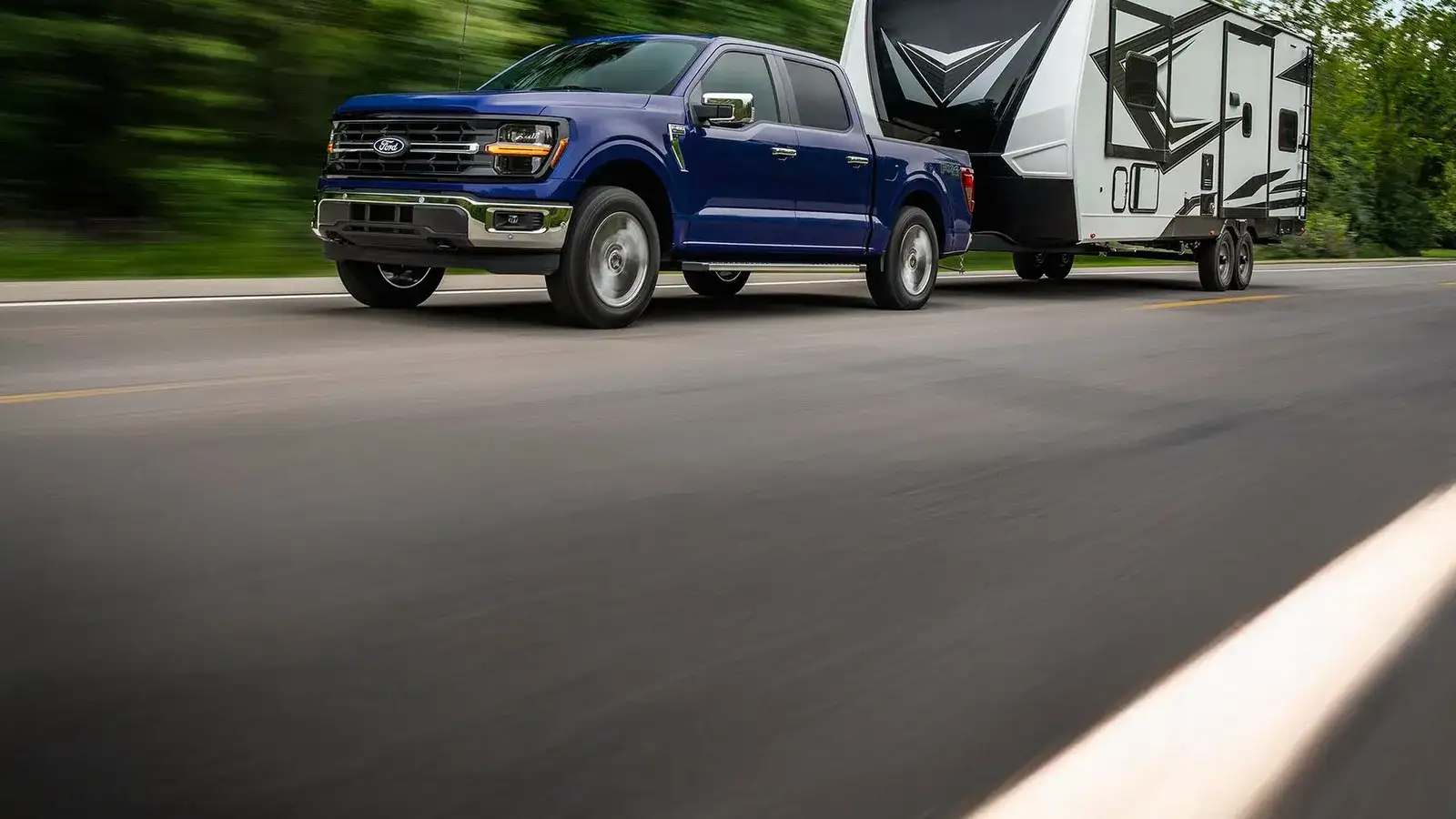
A truck purchase is rarely just about choosing a color or comparing cab sizes. The truck financing process affects your monthly payment, loan length, trade-in value, and the flexibility you have when your needs change. Whether you are considering an F-150 for weekend towing, a Ranger for daily work around Palm Desert, or a Super Duty for a growing business, knowing what happens before you sign can make the experience far more comfortable.
At Palm Springs Motors, the goal is to help Coachella Valley drivers make a decision that fits their real life, not simply move through paperwork quickly. Here is what truck shoppers should expect and what to consider at each stage.
What Is the Truck Financing Process?
The truck financing process is the series of steps used to arrange a loan for your vehicle purchase. It usually includes choosing a truck, reviewing your credit and budget, valuing a trade-in, applying for financing, comparing loan options, and completing the purchase documents.
A lender provides the funds for the truck, and you repay that amount over an agreed term with interest. Your payment is influenced by the amount financed, your down payment, trade-in equity, credit profile, interest rate, and loan term. Because these pieces work together, a lower payment does not always mean a better overall financing choice.
For example, extending the loan term can reduce the monthly payment, which may help a family or business manage cash flow. However, a longer term can also mean paying interest for more time. The right structure depends on how long you expect to keep the truck, how much you drive, and how your monthly budget looks after fuel, insurance, maintenance, and registration.
Start With the Truck That Fits the Job
Financing should support the truck you need, not push you toward a truck that is more than your work or family requires. This is especially relevant when comparing Ford truck models.
The Ford Ranger can be a practical choice for shoppers who want pickup capability in a more manageable size. The F-150 offers a broad range of configurations for commuting, family travel, towing, and jobsite use. A Ford Super Duty is built for heavier-duty demands, making it a natural consideration for contractors, towing-focused owners, and commercial operations.
Before discussing loan terms, think through payload, towing needs, passenger space, bed length, and how often the truck will be used for work. A buyer who tows occasionally may have different needs than someone hauling equipment between Cathedral City, Banning, and Beaumont every week. Choosing the correct configuration early helps prevent paying for capability you will not use or outgrowing the truck too soon.
New and used trucks can both be smart financing decisions. A new truck may offer the latest technology, factory warranty coverage, and a wider choice of configurations. A used truck may appeal to value-focused shoppers who find the equipment they need at a different point in the ownership cycle. Condition, history, mileage, warranty coverage, and available financing programs all deserve consideration.
Review Your Budget Before Applying
A realistic budget begins with a monthly payment, but it should not end there. Truck ownership also includes insurance, fuel, scheduled maintenance, tires, accessories, and potential business operating costs. If you plan to add a trailer brake controller, bed cover, towing equipment, ladder rack, or other work accessories, account for those plans as well.
It helps to decide what monthly range feels sustainable before shopping. Then consider whether you have funds for a down payment and whether you are trading in a current vehicle. A down payment can reduce the amount financed, while a trade-in with positive equity can serve a similar purpose.
Positive equity means your trade-in is worth more than the amount remaining on its loan. Negative equity means the remaining payoff is greater than the vehicle’s value. Negative equity can sometimes be included in a new loan, but it raises the amount financed. That may be appropriate in certain situations, though it is worth discussing carefully before moving forward.
Prepare the Information Lenders Need
Applying for financing does not have to be complicated when you bring the right information. Most applicants should be prepared to provide identification, proof of income, residence information, insurance details, and trade-in loan information if applicable.
Self-employed buyers, contractors, and fleet customers may need additional documents. Income can look different when it comes from a business, seasonal work, commissions, or multiple revenue sources. Bringing current business documentation can help the financing team understand the full picture rather than relying on assumptions.
Your credit history is one factor lenders use to evaluate an application. It can influence available terms and required down payment, but it is not the only factor. Income, employment history, debt obligations, loan amount, and the vehicle itself may also be reviewed. Shoppers with limited credit or past credit challenges should still ask about their options instead of assuming they cannot qualify.
Compare the Full Loan Terms, Not Just the Payment
Once a lender reviews your application, you may have more than one financing option. This is where careful comparison matters. Ask about the annual percentage rate, loan term, estimated monthly payment, total amount financed, and whether there are any conditions attached to the approval.
A shorter term often means a higher monthly payment but less interest paid over the life of the loan. A longer term can offer more room in a monthly budget, which can be useful for a business purchasing a truck that supports revenue-generating work. Neither is automatically right. The best option is the one that balances payment comfort with your long-term ownership plan.
Also ask how additional money paid toward principal is handled and whether there is a prepayment penalty. Many buyers like the flexibility to pay extra when business is strong or when they receive a bonus, tax refund, or other unexpected funds.
Understand Trade-Ins, Taxes, and Final Documents
Your trade-in value is based on factors such as condition, mileage, market demand, vehicle history, and equipment. Cleanliness and basic preparation can help present the vehicle well, but an accurate evaluation requires an in-person inspection. Bring both sets of keys, payoff information, and records for major service or upgrades when available.
Before finalizing the purchase, review the buyer’s order and financing contract carefully. Confirm the vehicle identification number, selected truck, trade-in allowance, payoff amount, down payment, loan term, payment amount, and any optional protection products you choose. Optional products can be valuable for some owners, particularly those who drive high annual miles or use their truck hard, but they should fit your needs and budget.
California registration, taxes, and applicable fees are part of the completed transaction. Your dealership team should explain these clearly so there are no surprises about what is included in the total amount financed.
Truck Financing for Commercial and Fleet Buyers
Commercial buyers often approach financing differently from personal-use shoppers. A company may prioritize cash flow, replacement schedules, upfitting plans, and the ability to keep multiple trucks working reliably. A landscaper, HVAC business, delivery operation, or construction company may also need to coordinate vehicle delivery with racks, tool storage, towing equipment, or branded graphics.
For these buyers, the lowest payment is not always the priority. Downtime, maintenance planning, and having the right truck available for the job can matter just as much. Discuss how the truck will be titled, who will be applying, and whether the purchase is for one vehicle or a larger fleet plan. Those details can affect the documentation and financing path.
Questions Worth Asking Before You Sign
A good financing conversation should leave you clear on the decision, not rushed. Ask how the payment changes with a different down payment or term. Ask whether your trade-in payoff has been included accurately. If you are deciding between a new F-150 and a used model, ask how warranty coverage and expected maintenance may affect ownership costs over time.
You can also ask what happens after the sale. Long-term dealership support matters when your truck needs routine maintenance, warranty work, parts, or collision repair. For a truck owner, the purchase is the beginning of the relationship, not the final step.
When you are ready, gather your trade-in details, think through the work your next truck needs to handle, and speak with a financing professional who will explain the options in plain language. That preparation gives you a stronger starting point for choosing a Ford truck that can serve your family, business, or next project with confidence.
Frequently Asked Questions
Should I get preapproved before shopping for a truck?
A preapproval from a bank or credit union gives you a rate to compare, but it is not required. Dealerships work with multiple lenders and can sometimes match or beat an outside offer, especially when Ford has special financing on a model. Bring any preapproval to Palm Springs Motors so the finance team can compare the terms side by side.
Can I finance a used truck the same way as a new one?
Yes, the steps are the same, but rates and terms can differ. Lenders look at the truck’s age and mileage as well as your credit, and longer terms may be limited on older trucks. A certified pre-owned Ford can sometimes qualify for special programs. Ask for the APR and total cost on both options before deciding.
How do self-employed buyers in the Coachella Valley prove income for a truck loan?
Lenders usually ask for recent tax returns, bank statements, or business documents instead of pay stubs. Seasonal businesses that peak during the winter season should bring records covering a full year so income is not underestimated. Gathering these before you visit Palm Springs Motors in Cathedral City speeds up the application and gives lenders a clearer picture.
Are there current Ford financing offers on trucks?
Ford regularly runs financing and lease programs on models such as the F-150, Ranger, and Super Duty, but they change monthly and depend on credit approval. Check the current offers page on the Palm Springs Motors website, then ask the finance team how a special rate compares with a cash incentive for the truck you want.
0 comment(s) so far on How the Truck Financing Process Works for You