

Used Ford Explorer Palm Desert Buyer Guide
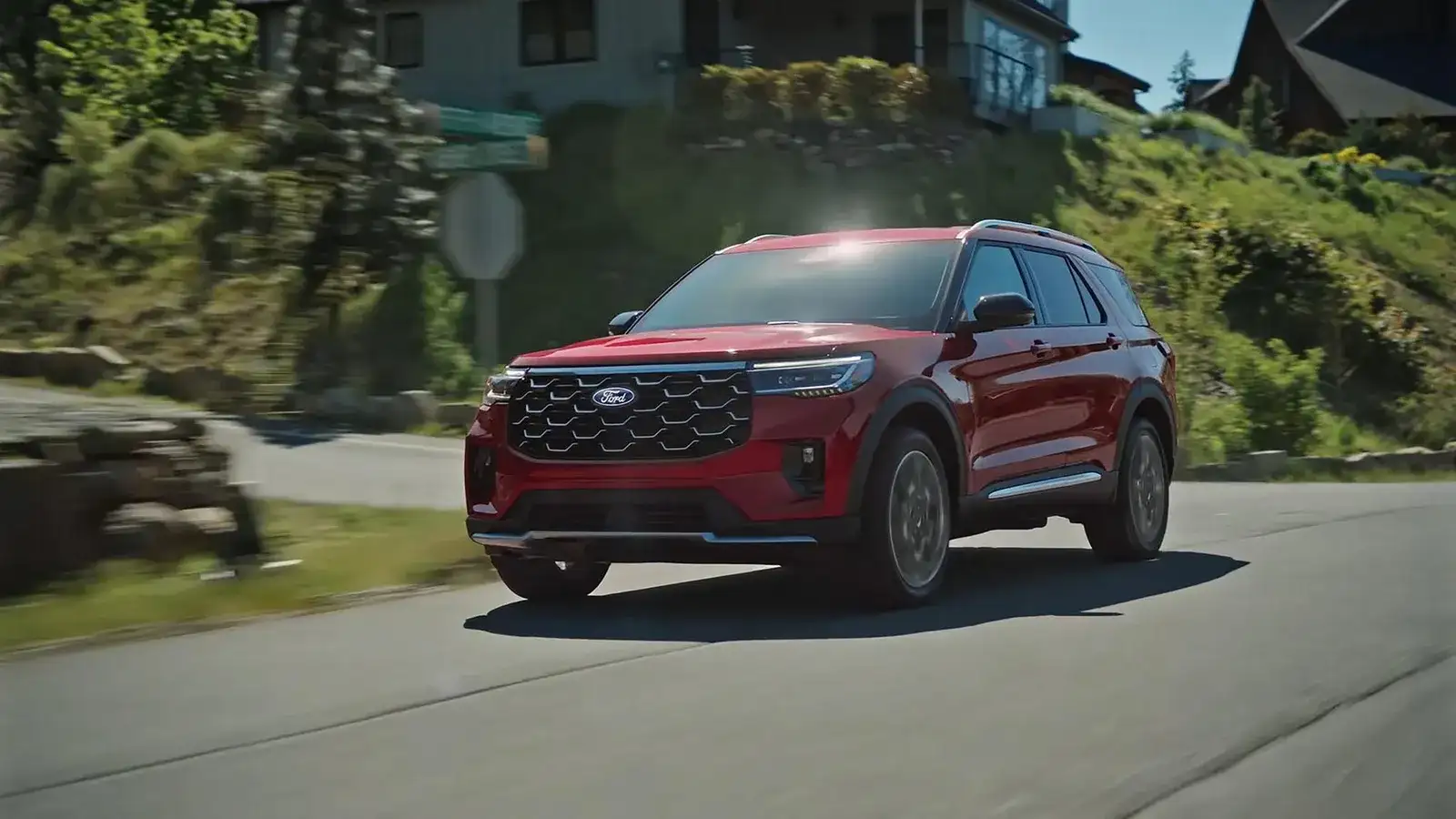
A used Ford Explorer Palm Desert shoppers choose can make a lot of sense when life includes school drop-offs, golf bags, weekend drives to Idyllwild, and long stretches of desert highway. The Explorer brings three-row flexibility, confident available towing capability, and Ford SUV practicality without requiring a brand-new vehicle. The right one, however, depends on its model year, powertrain, service history, and how your family will actually use the third row.
For Coachella Valley drivers, condition matters as much as features. Intense heat, dusty roads, and frequent air-conditioning use can reveal whether a previous owner stayed current on maintenance. A careful test drive and a transparent vehicle history can help you choose an Explorer that feels ready for the miles ahead.
Why a Used Ford Explorer Fits Palm Desert Families
The Ford Explorer has remained popular because it covers several needs in one vehicle. It offers available seating for up to seven passengers, depending on the second-row configuration, while still providing the elevated seating position many SUV shoppers prefer. Fold the rear seats down, and it can handle larger cargo for home projects, sports equipment, or a weekend away.
It is also a practical choice for shoppers comparing an SUV with a pickup. An F-150 or Ranger may be the better answer for frequent hauling and jobsite needs, but the Explorer is often easier to live with for families who want an enclosed cabin, three-row seating, and everyday parking convenience. If you occasionally tow a small trailer, boat, or recreational gear, properly equipped Explorers can offer meaningful towing capacity without moving into a full-size truck.
The best fit depends on your priorities. A family regularly carrying older kids or adults in the third row may want to spend extra time testing rear-seat access and space. A couple who primarily needs cargo room may find that the Explorer’s fold-flat flexibility is more valuable than the third row itself.
Start With the Explorer Generation
The model year is one of the biggest factors in a used Ford Explorer decision. Ford redesigned the Explorer for 2020, moving to a rear-wheel-drive-based platform. That change improved the vehicle’s driving balance and opened the door to stronger available powertrains, but it also means a 2020-and-newer Explorer feels notably different from earlier models.
2016-2019 Explorers
Earlier Explorers can be appealing for buyers who want familiar three-row utility and a broad selection of trims. Many are equipped with a 3.5-liter V6, while certain models offer turbocharged EcoBoost engines. These vehicles can be a smart value-oriented choice when they have documented maintenance and meet your seating and feature needs.
Pay attention to the equipment on the specific vehicle rather than assuming every trim includes the same technology. Features such as navigation, leather seating, advanced driver-assist systems, and towing equipment varied by year and package.
2020 and Newer Explorers
The newer generation introduced a standard 2.3-liter EcoBoost engine with 300 horsepower in many configurations. Available upgrades included stronger 3.0-liter EcoBoost options, including the performance-focused ST. A hybrid model was also offered in select years, pairing a 3.3-liter V6 with electric assistance for 318 total system horsepower.
These newer Explorers often appeal to drivers who value updated cabin technology, available Ford Co-Pilot360 driver-assist features, and a more composed highway feel. Some model years can tow up to 5,600 pounds when properly equipped, although capability varies by engine, drivetrain, hitch equipment, and vehicle configuration. Confirm the rating on the exact Explorer before planning around it.
Choose the Trim for Your Real Routine
An Explorer badge alone does not tell the whole story. Trim levels can range from straightforward family transportation to a more luxurious or performance-oriented SUV.
XLT models are often a natural starting point for households that want a well-equipped three-row SUV without paying for features they may not use. Look for the comfort items that matter during hot Coachella Valley summers, such as rear air vents, remote start where equipped, heated or ventilated seating where available, and a properly functioning climate-control system.
Limited and Platinum trims may appeal to buyers who want more premium interior materials and convenience technology. The Explorer ST is the choice for drivers who want sharper acceleration and a more athletic character. It is exciting, but it may not be the practical answer for every shopper. Higher-performance models can bring different tire, fuel, and maintenance considerations, so it is worth weighing the full ownership experience.
For many families, the best Explorer is not necessarily the highest trim. It is the one with the right seating layout, safety equipment, maintenance record, and condition for your daily drive between Palm Desert, Rancho Mirage, and Palm Springs.
What to Inspect Before You Buy
A quality used vehicle inspection should go beyond a quick look at the paint and a short drive around the block. Start by reviewing the vehicle history report and maintenance records when available. Consistent oil changes, brake service, tire rotations, and recommended inspections tell a more useful story than mileage alone.
During your walk-around, look closely at tire wear. Uneven wear can point to alignment or suspension concerns. Check the windshield for chips, inspect the body panels in bright daylight, and examine the cargo area for signs of water intrusion or damage from heavy use.
Inside, run every major function. Test all seating adjustments, windows, locks, USB ports, cameras, infotainment controls, and both front and rear climate settings. In the desert, the air conditioner deserves special attention. It should cool quickly, maintain a steady temperature, and operate without unusual noises or odors.
On the road, listen for rattles, clunks, vibrations, or hesitation during acceleration. Test the brakes at normal speeds in a safe area. The transmission should shift smoothly, and the steering should feel centered without excessive wandering. If the Explorer has four-wheel drive, ask how to verify its operation and whether it has been regularly serviced.
A factory-trained technician inspection offers additional confidence, particularly with a vehicle you plan to keep for years. It can identify maintenance needs that are not obvious during a test drive.
Compare Used Explorer Engines Carefully
The 3.5-liter V6 found in many earlier Explorers is familiar and straightforward for shoppers who prefer naturally aspirated power. Turbocharged EcoBoost engines can provide stronger low-end response and towing confidence, but they also make regular oil service and proper maintenance especially important.
The 2.3-liter EcoBoost in many newer Explorers is a strong all-around option for drivers who want capable everyday performance. The available 3.0-liter EcoBoost delivers more power, particularly in ST models, but may be more than necessary for a school-run-and-weekend-trip routine. The hybrid can be worth considering for drivers who spend significant time in local traffic, though availability and features vary by model year.
There is no universal best engine. A buyer towing regularly may prioritize capability, while a commuter from Thousand Palms or Desert Hot Springs may value efficiency and a lower-complexity ownership fit. Ask about the vehicle’s maintenance history, not only its horsepower figure.
Do Not Skip the Ownership Questions
Before finalizing your choice, ask whether the Explorer includes both keys, the owner’s manuals, a spare tire or tire-repair kit, and any original towing accessories. Confirm whether recalls have been completed. If you are trading in another vehicle or financing your purchase, review the full terms and available protection options so there are no surprises later.
A dealership experience should remain helpful after the sale. Palm Springs Motors serves Coachella Valley drivers with used vehicle choices, financing guidance, factory-trained service, genuine Ford parts, and body shop support. That long-term relationship matters when your Explorer eventually needs routine maintenance, new tires, or a more detailed repair.
When you find a used Ford Explorer that fits your family, take the time to sit in every row, test the air conditioning, review its history, and drive it on the roads you use most. Then browse current used inventory, discuss financing options, and schedule a service inspection when needed. The right Explorer should feel prepared not only for the test drive, but for the everyday moments that come after it.
Frequently Asked Questions
Should I choose a used Explorer with a second-row bench or captain’s chairs?
A second-row bench gives you seating for seven, which helps families who carry extra kids or carpool. Captain’s chairs drop seating to six but make it easier to reach the third row and keep siblings apart. Bring your car seats and passengers on the test drive at Palm Springs Motors to see which layout fits your routine.
Can a used Ford Explorer be certified pre-owned?
Yes, if it meets Ford Blue Advantage requirements for age, mileage, and inspection. A Gold Certified Explorer includes Ford limited warranty coverage, while Blue Certified has a different inspection and shorter coverage. Ask which certification level applies to the Explorer you are considering, and compare its remaining factory coverage with a non-certified used model.
How do I check a used Explorer for open recalls?
Enter the vehicle’s VIN on Ford’s owner website or the federal recall lookup, or ask the dealership to check it for you. Open recall repairs are performed at no charge by a Ford dealer. Palm Springs Motors in Cathedral City can confirm recall status and schedule any remaining work before or after you buy.
What should Palm Desert buyers check on a used Explorer’s air conditioning?
Test it on a hot afternoon if you can. The cabin should cool quickly at idle and while driving, the rear climate controls should work, and there should be no musty odor or unusual noise. Weak cooling can point to a refrigerant leak, a clogged cabin filter, or an airflow issue, so ask for an inspection before you sign.
0 comment(s) so far on Used Ford Explorer Palm Desert Buyer Guide